InfoSAWIT, JAKARTA – For all these years the plastics used by the people, such as, the bag, sack, packaging, toys, house-holds are made of the crude oil or gas materials. For the very long time, the supply would reduce and would be expensive too.
It always happens that the plastic producers are difficult to get the materials and the plastic consumers in Indonesia would increase in every single year. So it needs the available, enough, and access alternative material to get it easy and cheap.
Bio-plastic could be the alternative because it has abundant material in Indonesia and iit is also environmental. Head of Bio-process ang New Material Engineer, Pusat Penelitian Sumber Daya Hayati dan Bioteknologi, Institut Pertanian Bogor (IPB), Khaswar Syamsu said that it is a promising business to develop bio-plastic because the people are aware of the environment, the rare material, and the expensive of crude oil to make conventional plastic.
“The advance countries that concern to environment are the potential ones to sell to bio-plastic. In one side, Indonesia is full of natural resources that could be the starts to produce material for bio-plastic,” he said.
But he thought, the special bio-plastic, PHA (Poli Hidroksi Alkanoat) has no many result researches yet. If there are researches, they are in laboratory scale and it needs time and fund to research in the pilot project scale.
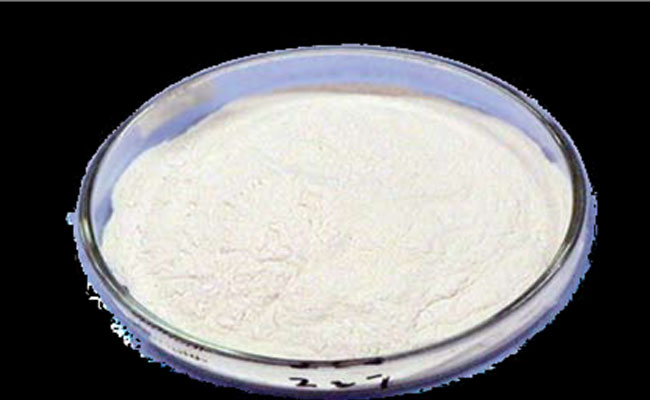
Bio-plastic is the plastic or polymer made of biotic, such as, corn, cassava, palm oil waste, or micro-biota. Bio-plastic consists of some kinds and it is widely used, such as, bio-plastic made of starch that is used in about 50% of bio-plastic markets. In general it is used to thermo-package, produced from the natural ingredients that have carbohydrate.
Then bio-plastic in Poly-Lactate Acid is the transparent bio-plastic which is generally produced from corn or the natural sugar and it is generally used as the packaging material. PLA is produced from the fermentation of sugar compounds from the natural sources. The fermentation would produce lactate acid which is polymerized to produce PLA plastic and it is ready to be made as what it needs.
The result study of Negri Bossi SpA, Milan, Italy revealed that the plastic needs whole over the world in 2009 were reaching 507,3 million pounds or 253.650 tons. The plastic needs in Asia were about 189 million pounds or 94.500 tons and most of them were supplied by the conventional plastic in petro-chemical – base.
“It means that if the crude oil gets more expensive, and the needs of plastic gets higher too, bio-plastic would be potential to be sold as same as the conventional plastic,” the researcher of Pusat Penelitian Kelapa Sawit (PPKS), Tjahjono said.
He also mentioned that the materials of bio-plastic from palm oil waste are massive. The waste from empty bunch could be about 18 million tons per year. “The empty bunch consists of 60% of cellulose that could be used as the material to make bio-plastic. The other materials, such as, the midrib, stalk, and liquid waste could be used as the media to develop microbe to produce bio-plastic,” he said.
Published in InfoSAWIT, October 2009