InfoSAWIT, LONDON – Some main palm oil users (companies) in the world, such as, Nestle, Unilever, and Mondelez are trying the technology of new satellite to trace the deforestation knowing that many pressures to palm oil users should be free from the deforestation.
This could be effective to monitor the deforestation from the palm oil producer countries, such as, Indonesia and Malaysia.
They also claimed that the monitoring system would target the people who cut the trees in the producer countries where the forests decrease in width and the system could be more efficient rather than maintaining the chain of stocks on the land.
“They told that you are the biggest brother,” Global Head Of Responsible Sourcing, Nestle, Benjamin said as InfoSAWIT quoted from Thestar.my.
The information from the palm oil users showed that the monitoring system has limits and different analysis. This could reflect the tension in palm oil industries when dealing with issue without simple answers.
Some even told that the technology would not stop deforestation – the monitoring system would not prevent (deforstation). The other concerned that boycotting unsustainable palm oil would urge the bad cultivation in other regions.
“Differentiating the chain of stocks between the good and not good ones would not fundamentally solve the deforestation issue,” Global Sustainability Lead For Agricultural Supply Chains at Commodities Trader, Cargill, John Hartmann said.
Palm oil buyers might have played the satellite image for years but now they have increased its usage when they should fulfill the promise – zero deforestation in 2020 which the Consumer Goods Forum has decided.
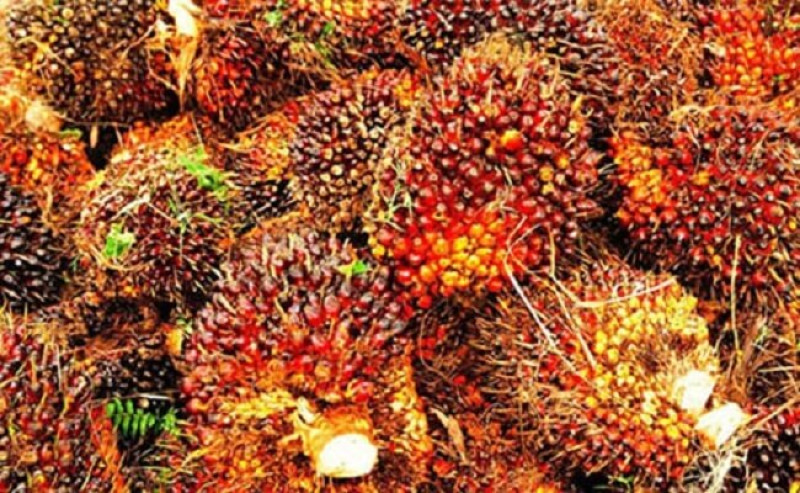
Palm oil is used in hardly half of the goods, such as, chocolate up to soap. It is also used as cooking oil and vegetable fuel.
As the sustainability becomes the key, many multinational brands try to maintain their buyers not to substitute their buying to the independen new brands which suggest the green products. “There have been more awareness. The people want the sustainable products,” consumer analysis from Liberum, Robert Waldschmit said. (T2)