InfoSAWIT, JAKARTA – In the late days, many people claimed to develop 20% of plasma plantations. Few of them ended with conflicts. The question remains, what is actually the obligation according to available regulation(s)?
In recent days namely in Central Kalimantan Province, many claimed to develop plasma plantations. The claims even ended clashes with security officers, and even damaged plantation facilities.
The people around palm oil plantations protested it because the government once published policy regulated that palm oil plantation company must develop people’s plantations through partnership program with the local people around the plantations.
In 2007 the central government published the Regulation of Minister of Agriculture (RMA) Number 26 / 2007 about Plantation Business Permit Guidelines. Chapter 11 says that plantation company that has plantation business permit is obliged to develop people’s plantations about 20% (twenty percent) at least, of the total plantations that the company operates.
The regulation was published after some government’s programs ended which the goal was about to develop plantations, particularly, (smallholders) people’s palm oil plantations which developed since 1960 to 2005. The programs were Nucleus Estate Smallholders (NES) I-VII, Perkebunan Inti Rakyat – Perkebunan (PIR Bun), PIR Transmigrasi (Trans), Kredit Koperasi Primer untuk Anggota (KKPA), and Revitalisasi Perkebunan.
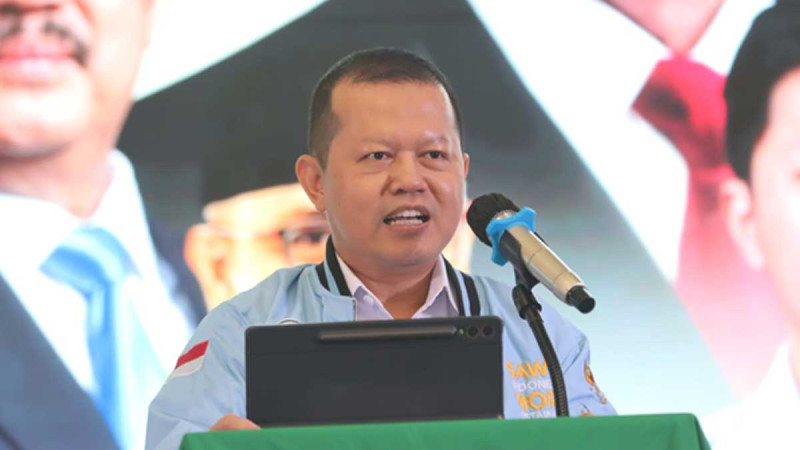
Chairman of Palm Oil Cultivation Group, Directorate of Palm Oil and Various Palm, General Directorate of Plantation Ministry of Agriculture, Togu Rudianto Saragih said that for such programs ended, people’s plantation development would be the solution to solve gap of welfare around (palm oil) plantations.
“And maintain harmonious relation between the plantation companies and the people around by paying attention to profits of plantation companies,” he said as the speaker in a webinar that Indonesian Planters Society (IPS) conducted that InfoSAWIT joined in the midst of November 2023.
But the regulation about developing 20% of people’s plantations in the few years, changed as the situation and development changed in palm oil plantations in Indonesia.
For example, in 2013, Ministry of Agriculture published RMA Number 98 / 2013 as the substitution of RMA Number 26 / 2007. It was reinforced by the Laws Number 39 / 2014 about Plantation as it was substituted by the Laws Number 6 / 2023 about the Establishment of Regulation in Lieu of Law Number 2 / 2022 about Cipta Kerja as the laws.
Saragih told that in RMA Number 98 / 2013 there were basic changes about phrases. Prior RMA Number 26 / 2007 says “obliged to develop plantations” but it is changed to be “obliged to facilitate in plantation development”.
The obligation would be for plantation companies that have business permit more than 250 hectares.
“Meanwhile, plantation companies that got permits before 28 February 2007 and conducted or implemented PIR-BUN, PIR-TRANS, PIR-KKPA, or other forms of plasma – main plantations, are not obliged,” Saragih said. (T2)
For more, please read Majalah InfoSAWIT, November 2023