InfoSAWIT, YOGYAKARTA – Efforts to preserve batik as an intangible cultural heritage continue to evolve alongside challenges in raw material sustainability, particularly dependence on fossil-based inputs.
Quote InfoSAWIT from INSTIPER Yogyakarta, on Thursday (April 16, 2026), the institute introduced an innovation in batik wax derived from palm oil to artisans in Kampung Batik Tamansari as an environmentally friendly alternative.
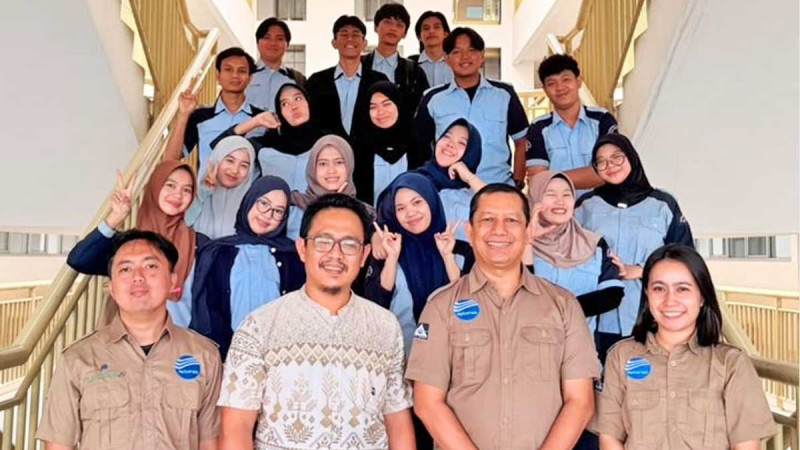
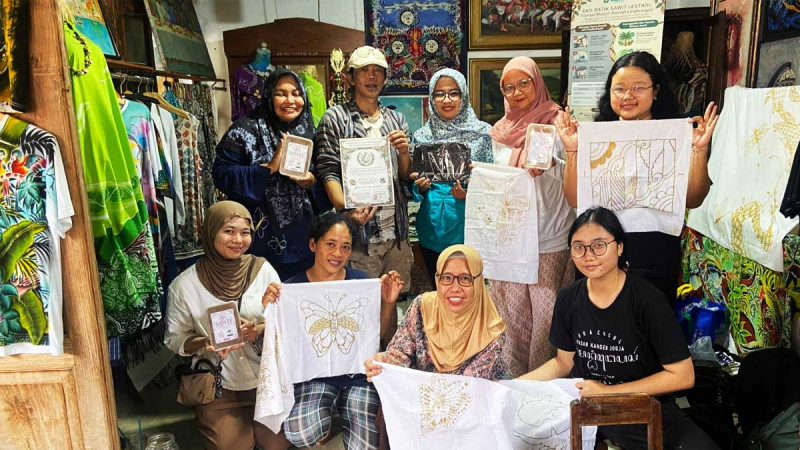
The initiative was led by Betti Yuniasih, M.Sc., through a community service program involving education and mentoring for 10 batik artisans from January to April 2026.
“Tamansari was selected as it is both a batik production center and a popular tourist destination. This program aims to introduce environmentally friendly palm-based products not only to artisans but also to visitors,” she explained.
Preliminary assessments showed that most participants were unfamiliar with palm-based batik wax, and none had previously used it. The program included training sessions, hands-on practice, quality testing, and group discussions.
Quality testing results indicated that palm-based wax outperformed conventional paraffin wax.
Chairman of the Tamansari Batik Association, Iwan Setiawan, noted, “Palm-based wax melts faster, produces less smoke, and has a milder odor compared to conventional wax.”
He added that the wax improves efficiency during the canting process and produces better-quality batik with stronger color retention and reduced cracking.
The use of stearin, a palm oil derivative, is also considered more sustainable due to its biodegradable and renewable properties with lower greenhouse gas emissions. (T2)