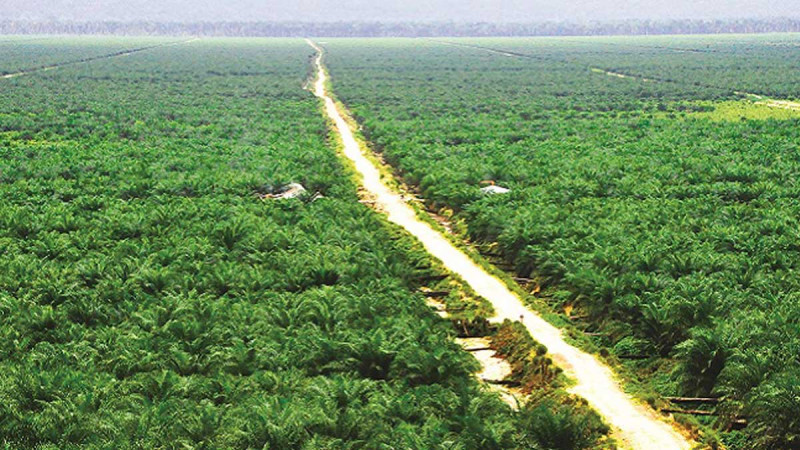
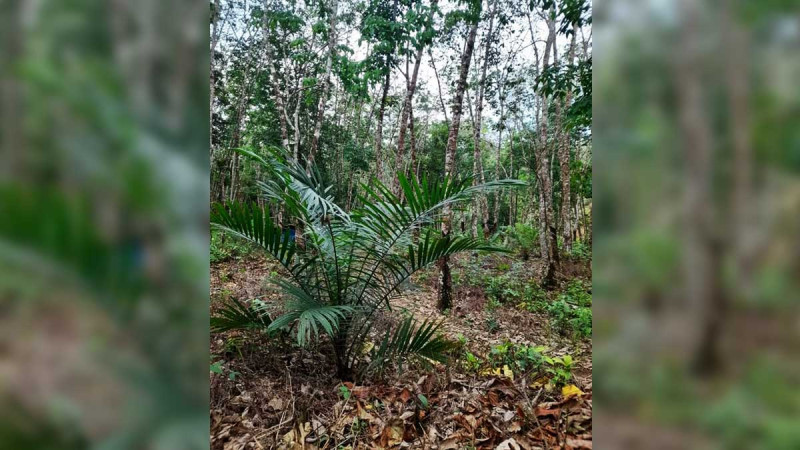
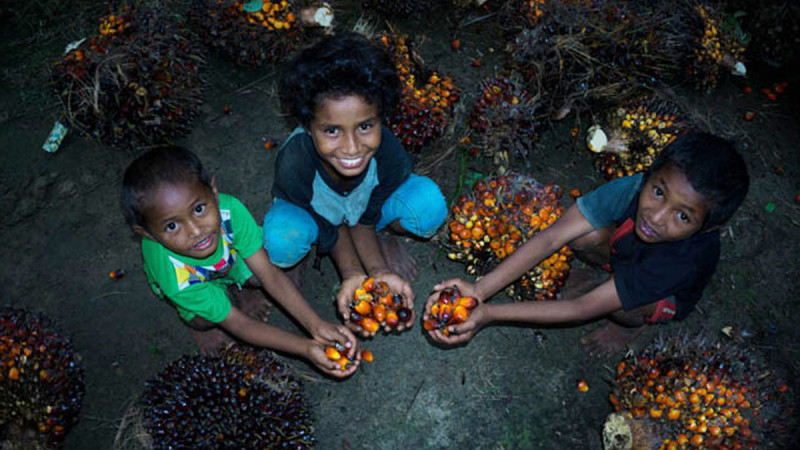
InfoSAWIT, JAKARTA – Central Bureau of Statistic (CBS) mentioned that palm oil plantations in Indonesia in 2015-2019 were in fluctuation. In 2015-2016 the plantations got narrower but in 2016-2019 they got wider. In 2019 palm oil plantations laid about 14,60 million hectares (ha). They were in 26 provinces. Riau had the widest plantations within the total 2,82 million ha in 2019 or 19,31% of all plantations in this country.
In fact, palm oil production in Indonesia could be increasing by two ways, they are, intensification and extensification. Plantation intensification is the way to improve the governance better. The increasing production by intensification runs without new planting but by improving cultivation technology and environmental biotechnology.
Palm oil trees which are nearly about 30 years of age should get replanting program by planting higher productivity. That is why we have to be able to master knowledge and technology in palm oil, starting from the seeds until the cultivation products. The governance should also run by implementing every sustainable standard in Indonesia or known as Indonesian Sustainable Palm Oil (ISPO).
Until now there have been 755 ISPO certificates published for private companies and PT. Perkebunan Nusantara (PTPN) which covered about 5,8 million ha from the total 9,6 million ha. But ISPO certificates published for smallholders, unions, and village enterprises are just 20 certificates that laid about 12.600 hectares or 0,18 percent of their total plantations.
Chairman of Asosiasi Petani Kelapa Sawit Indonesia, Gulat Manurung once told, according to sustainability index, palm oil plantations from smallholders’ groups are categorized sustainable in ecology, social, and economic aspects. But from governance and legal aspects, theirs are not sustainable. Independent smallholders’ legal plantations are the obstacles because 76,64 percent of smallholders’ plantations are in forest regions.
Plantation extensification is the way to get new planting. Expanding new planting in wider and available numbers can be done legally by providing production forest region land use change that could be conversed within forest release mechanism to be used as Business Rights.
The book “The State of Indonesia’s Forest (SOFO) 2020” published in December 2020 mentioned that production forest that can be conversed laid about 12,8 million hectares and consisted of primary forests about 2,5 million hectares that should not be bothered because of natural forest moratorium; secondary forests about 3,7 million hectares; and forest canopy about 6,5 million hectares. It means, the rests of production forests that can be conversed to develop outside forestry (including palm oil plantations) still lay about 10,2 million hectares.
Palm oil plantation expansion in extensification should be done by advantaging some of production forests that can be conversed that lay about 10,2 million hectares. For instance, palm oil plantations could advantage 30% of the total production forests that can be conversed (10,2 million ha) or more than 3 million hectares. It means, palm oil production could be increasing about 9 million tons per hectare. In one year, the plantations could be in harvest three times (peak harvest, regular harvest, and trek harvest). It also means, one year – calculation will not be less than 25 million tons from the new plantings that lay about 3 million hectares.
Unfortunately, of 10,2 million hectares (production forests that can be conversed) as the backup, about 1,788 million hectares of the numbers have palm oil plantation licenses that have no Business Rights and they are in 19 provinces, belong to 137 companies whose the licenses have been revoked by the government in the recent days. They misconduct the regulations. The widest revocation is in Papua about 680,9 thousand hectares, belongs to 26 companies.
Then the widest revocation is in West Papua about 382 thousand hectares, then Central Kalimantan about 350,11 thousand hectares belonging to 39 companies. Jambi has 3 companies which their licenses are revoked or about 58,7 thousand hectares. The rests are in 15 provinces, they are, Nangroe Aceh Darrusalam (1 license), North Sumatera (1 license), West Sumatera (2 licenses), Riau (3 licenses), Kepulauan Riau (1 license), South Sumatera (1 license), West Kalimantan (8 licenses), South Kalimantan (5 licenses), East Kalimantan (5 licenses), North Kalimantan (2 licenses), Gorontalo (5 licenses), Central Sulawesi (2 licenses), West Sulawesi (1 license), Maluku (5 licenses), and North Maluku (6 licenses).
The companies’ violations are substituting their palm oil plantation licenses without the government’s permit, in this case, Ministry of Environment and Forestry that published forest release licenses not only that, it might happen that they advantaged forest release license to palm oil plantations and dig every mining potential around their plantations.

By: Pramono Dwi Susetyo
Once worked at Ministry of Environment and Forestry