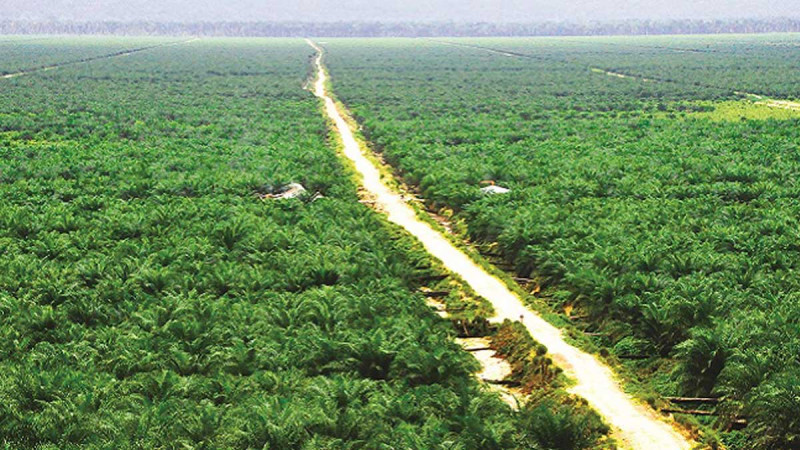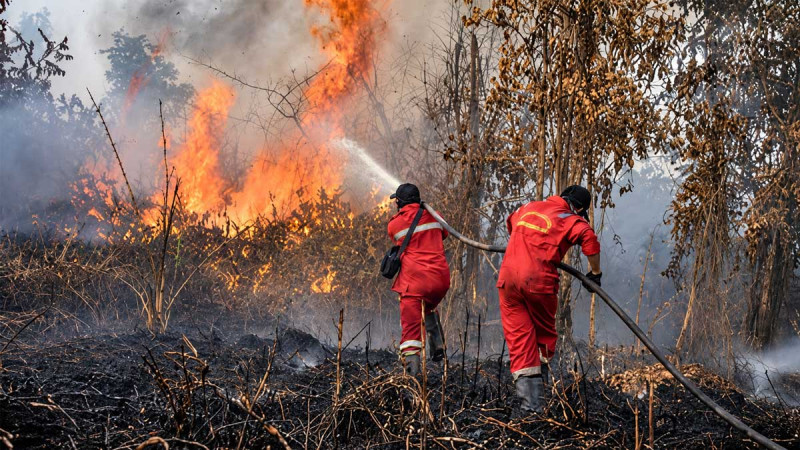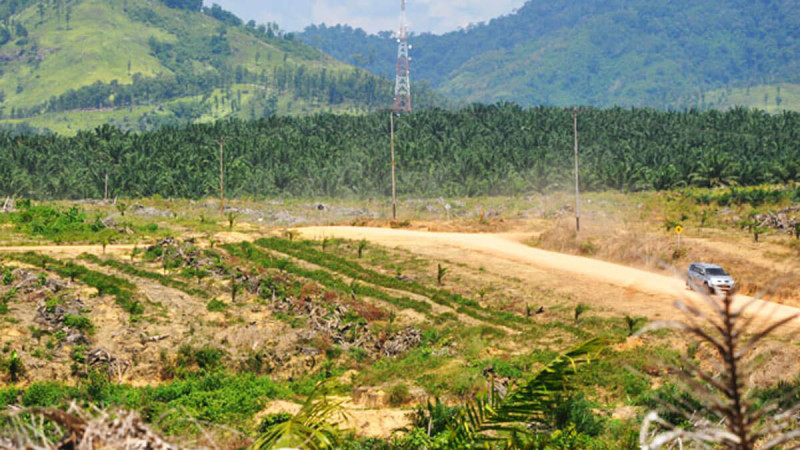
InfoSAWIT, JAKARTA – The Ministry of Environment and Forestry (KLHK) has officially released a list of 436 palm oil plantation companies operating illegally in forest areas through Ministerial Decree No. 36 of 2025 (Kepmenhut 36/2025).
This policy is a derivative of Presidential Regulation No. 5 of 2025 concerning the Regulation of Forest Areas, with a total area of 790,474 hectares currently undergoing administrative resolution, while 317,253 hectares have had their applications rejected for not meeting the criteria of Article 110A of the Job Creation Law (UUCK).
Ironically, the listed companies—including giants like Sinarmas Agro, Wilmar, Musim Mas, and Astra Agro—have long claimed to adhere to sustainability principles through ISPO (mandatory) and RSPO (voluntary) certification. This finding raises serious questions about the integrity of the certification system and corporate commitments to prevent illegal deforestation.
Achmad Surambo, Director of Sawit Watch, stated that Kepmenhut 36/2025 is a first step towards government transparency. However, he emphasized the need for clarity on follow-up actions, especially for rejected land. “Will it be rehabilitated, managed by state-owned enterprises, or will it become a free-for-all for irresponsible parties? Law enforcement must be firm, including coordination between the Forest Area Regulation Task Force and law enforcement agencies,” Surambo asserted in an official statement received by InfoSAWIT.
Sawit Watch also revealed shocking findings: 11 RSPO member groups in Riau control 59,817 hectares of illegal land, while 10 groups in Central Kalimantan control 134,319 hectares. Surambo urged RSPO and the government to conduct thorough audits, including revoking certifications for problematic companies.
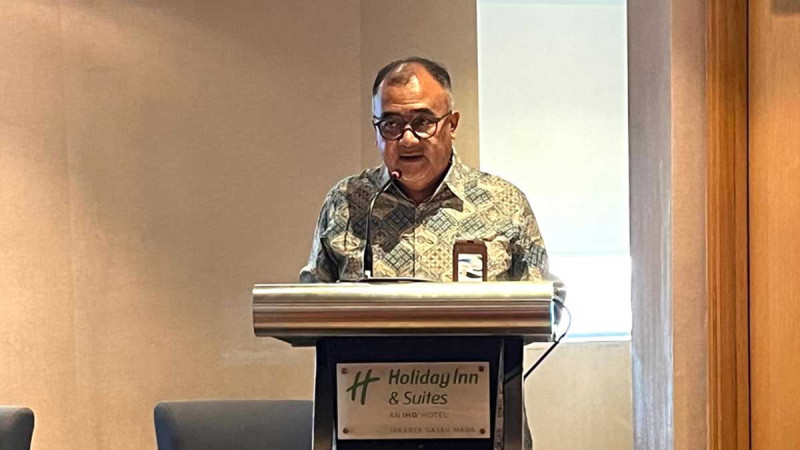
Ahmad Zazali, Chairman of the Center for Law and Conflict Resolution (PURAKA), praised the transparency of Minister Raja Juliantoni but highlighted the ambiguity regarding the resolution scheme. “Will the rejected land fall under Article 110B of the UUCK (criminalization), Article 3 of Presidential Regulation 5/2025 (state takeover), or will it be reforested? This needs to be answered to avoid new conflicts,” Zazali stated.
Gunawan, Senior Advisor to the Indonesia Human Rights Committee for Social Justice (IHCS), added that the ambiguity of Articles 110A and 110B of the UUCK could exacerbate legal uncertainty. “This could damage Indonesia's palm oil diplomacy and the commitment to zero deforestation. Local communities around the forest are also affected due to overlapping regulations,” he explained.
John D. Sinurat, Legal Counsel for IHCS, revealed that Article 110B of the UUCK is currently under judicial review by the Constitutional Court (MK) by Sawit Watch. “This lawsuit aims to ensure justice for communities living in forest areas. We await the trial process,” Sinurat stated.
Kepmenhut 36/2025 has the potential to disrupt Indonesia's global palm oil supply chain, especially for companies facing international trade sanctions. On the other hand, this policy could serve as a momentum for the government to strengthen certification oversight and law enforcement.
The government is expected to promptly release a roadmap for resolving rejected land, including rehabilitation or takeover schemes, and ensure that problematic companies do not escape legal consequences. Meanwhile, pressure on RSPO and ISPO to enhance the credibility of their certifications is becoming increasingly unavoidable. (T2)