InfoSAWIT, JAKARTA - Head of Accountability Project, Area Kepala Proyek Akuntabilitas Tata Guna Lahan WRI, Bukti Bagja said that independent smallholders’ palm oil plantations are barely seen because there is not right data published by the government until today. It is so sad. Though they got positive impacts from planting palm oil in peat, but it is possible that there are negative impacts to the environment from palm oil cultivation because it is not the same with good agricultural practices.
It is not an ideal option to support palm oil cultivation in peat but there have been 2,4 million hectares of palm oil plantations in peat. It is important to balance between conservation and sustainable development. “It needs to wisely act because millions of people live and depend on peat for their living and palm oil is one of many plantations developing well in peat,” Bagja said.
It also needs to minimize every environmental impact from palm oil plantations in peat, such as, fire which keeps happening in every year and subsidence. It is not easy to encourage smallholders implementing best practices according to principles and criteria (P&C) RSPO. “There will be relatively expensive costs to develop infrastructures, improve peat cultivation. These are the issues for smallholders,” Bagja said.
It needs to carefully analyze plantation area adjustment with spatial regulation. Interconnection between peat and the surrounding increases the risks to others, such as, flood or drought. “Independent smallholders which tend to be sceptic have limited insight while the environment is vulnerable to fire and other disasters,” he said.
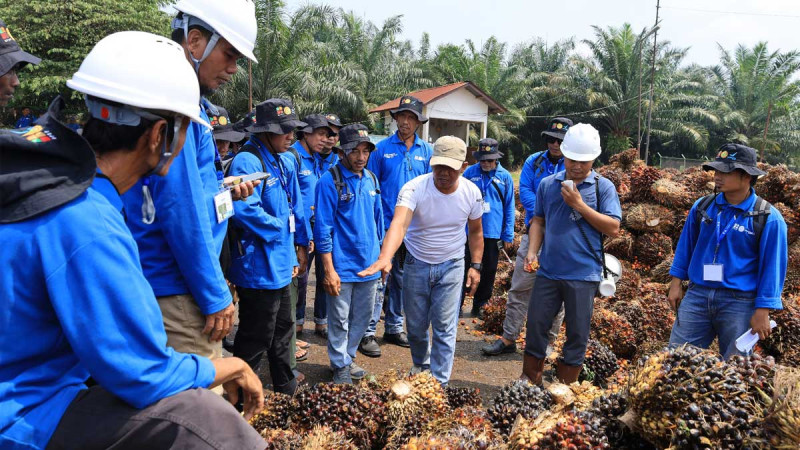
It needs to encourage smallholders to implement best and sustainable practice by carefully selecting the spot, such as, knowing the depth of peat, getting the space adjustment and coordination from regional government and related instances, communicating and cooperating with other stakeholders, namely the land owner/cultivator around the spot, conducting education with local government to get planters’ commitment, and real investment in infrastructures, such water management, fire prevention, and collection facilities, are really needed.
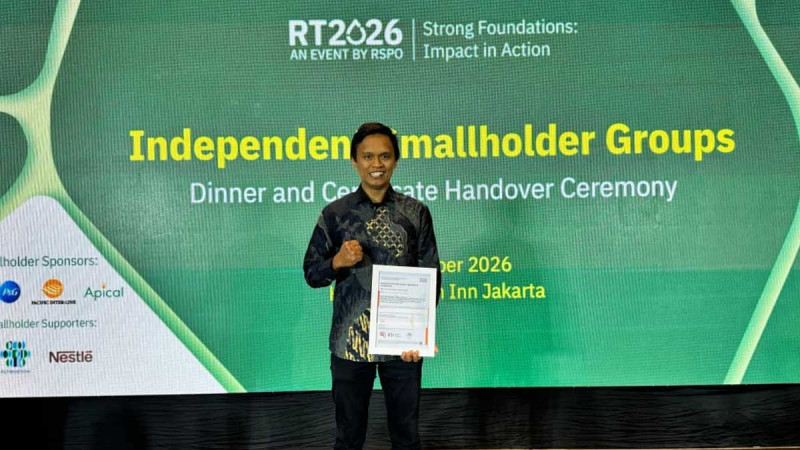
He also admitted that it will be spending much if the smallholders develop sustainable agricultural practices to get into certification. But there will also be profits to get. “As long as a group obeys certification standards and implements RSPO best and sustainable practices, they will get bigger access to international markets,” Bagja said. (T2)