InfoSAWIT, JAKARTA – There are three phases to run Fasilitas Pembangunan Kebun Masyrarakat (FPKM) by the plantation company. The first one, it is available for plantation company that its business plantation permit was published before 28 February 2007. The companies that did partnerships, such as, PIR-BUN, PIR-TRANS, PIR-KKPA or others, are taken to run FPKM and it is not an obligation to do the same FPKM.
“If they do not implement FPKM, the companies could choose other productive business as it is regulated in Chapter 7 Regulation of Minister of Agriculture Number 18 / 2021,” Secretary of General Director of Plantation Ministry of Agriculture, Heru Tri Widarto said in a discussion with the theme “Memperkuat Kemitraan Sawit Melalui Fasilitas Pembangunan Kebun Masyarakat", that InfoSAWIT attended, Friday (26/5/2023).
The second phase, it is available for the company that its business plantation permit was published since 28 February 2007 to 2 November 2020. In this phase, the government would deliver easiness by considering available areas, numbers of families that deserve to be participants, and agreement between plantation company and the people around.
“If there is no areas to conduct FPKM according to the location of permit authority, there should be other productive business based on the agreement between plantation company and the local people,” Heru said.
The third phase, it is available for plantation company that its plantation business permit was published after 2 November 2020. If the company has whole cultivation permit or some of other area use where it is out of business permit rights, forest release is obliged to run FPKM. The company must do FPKM for about 20% of their areas.
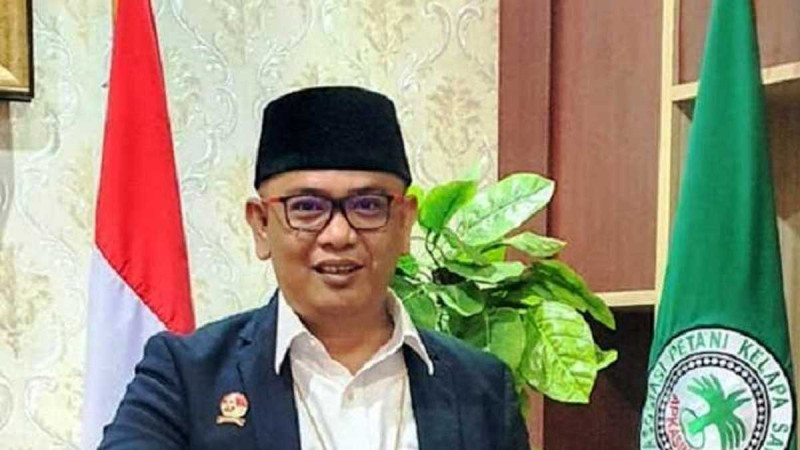
General Secretary of APKASINDO, Rino Afrino said many partnerships do not run well. In fact, it is hoped to answer the challenge in sustainable palm oil to fulfill economic, social, and environmental aspects. In this case, it includes for the plantation company to develop 20% plantations (FPKM) for the people when getting extension of business rights.
“The smallholders in upstream sector as fresh fruit bunch producers should get partnership. This is a notice for us that they have to get partnership and should be sustainable to realize sustainable palm oil plantation,” Rino said.
Disbanded partnerships are reflected by the different perspectives from three sides, they are, company, smallholders, and cooperation as the institution. The three parties have their own concepts and there is no deal to form partnership.
“I believe partnership between palm oil plantation companies and smallholders could be the resolution to high productivity and welfare, but there should be strong commitment from many sides, good morality, supervision, and development from related instances,” he said. (T2)