InfoSAWIT, SIMPANG EMPAT – The Pasaman Barat Regency government has urged palm oil farmers to promptly undertake replanting of oil palm trees that are over 25 years old to maintain the productivity of their plantations.
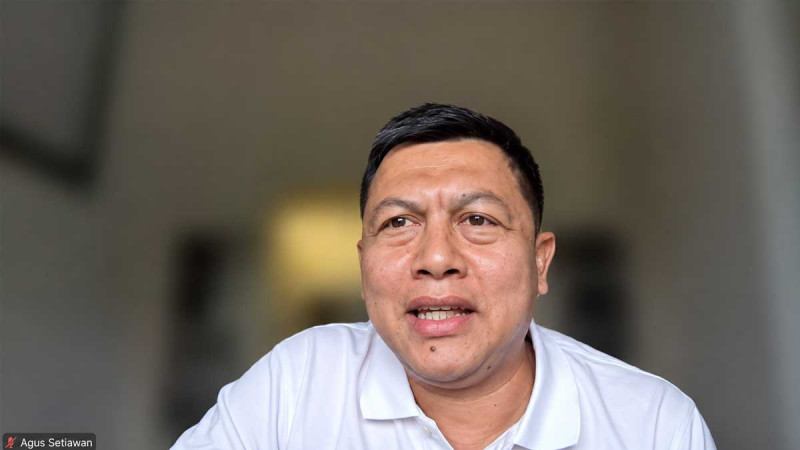
Afrizal, Secretary of the Pasaman Barat Plantation and Livestock Office, stated that oil palm trees older than 25 years tend to experience a significant decline in yield. “Once they reach 25 years of age, productivity will not be optimal and replanting must be done immediately,” he said in Simpang Empat, as reported by InfoSAWIT from Antara on Monday (February 24, 2025).
According to Afrizal, aging oil palm trees typically produce less than 10 tons per hectare per year. Since 2018, the Pasaman Barat Regency government has implemented a smallholder palm oil replanting program covering a total area of 2,009 hectares. For 2025, the government aims to replant an additional 1,000 hectares.
Afrizal explained that there are several requirements that farmers must meet to participate in this replanting program. These include having trees older than 25 years, productivity of less than 10 tons per hectare per year, the use of non-superior seeds, and a minimum area of 50 hectares within a 10-kilometer radius.
Funding for this program comes from the Ministry of Agriculture through the Public Service Agency for the Palm Oil Plantation Fund Management Agency (BPDPKS). As of 2024, the realization of palm oil replanting in Pasaman Barat has only reached 143 hectares.
To facilitate the application process, the government has adopted an application-based system that allows verification to be conducted from the farmer level (applicant account), to the regency (verification account), province (verification account), and finally to the central level. Additionally, the program requires a certificate from the National Land Agency/Agrarian and Spatial Planning (BPN/ATR) regarding the land status outside of the company's business use rights (HGU), as well as a letter from the Forest Area Management Center (BPKH) Region 1 Medan stating that the land is not part of a forest area.
Afrizal emphasized that this palm oil replanting program has provided tangible benefits for farmers, particularly in enhancing crop productivity and improving crop diversity in their plantations. “With replanting, farmers' welfare can gradually improve,” he added.
Currently, Pasaman Barat has a total palm oil plantation area of 189,508 hectares, consisting of 62,574 hectares owned by large companies and 126,934 hectares owned by smallholders. Of the smallholder plantation area, the potential land that can be replanted reaches 126,934 hectares.
“When compared to the total area of smallholder plantations, only about two percent has been replanted. Hopefully, this program can continue annually to maintain the productivity of smallholder palm oil,” Afrizal concluded. (T2)