InfoSAWIT, BALI – Dewi Lestari Yani Rizki, Director of Conservation at WWF Indonesia, emphasized the importance of multi-stakeholder collaboration in addressing the challenges facing the palm oil industry during the 7th International Conference on Oil Palm and Environment (ICOPE) held in Sanur, Bali, from February 12-14, 2025.
With the theme "Agro-Ecological Transformation of Palm Oil: Towards Climate and Environment-Friendly Agriculture," ICOPE 2025 serves as a strategic platform for governments, companies, academics, and NGOs to seek concrete solutions for enhancing the sustainability of the palm oil industry. Dewi explained that the palm oil industry currently faces complex challenges, ranging from global market pressures to demands for sustainable practices. "ICOPE is a forum for sharing knowledge, discussing, and collaborating. This aligns with WWF Indonesia's efforts over the past five years to promote sustainable palm oil practices," she stated during her speech.
WWF Indonesia has been involved in various studies and pilot projects since 2017, collaborating with governments and companies to develop sustainability standards. "We also work with universities to conduct research and promote technological innovation in the palm oil industry," Dewi added.
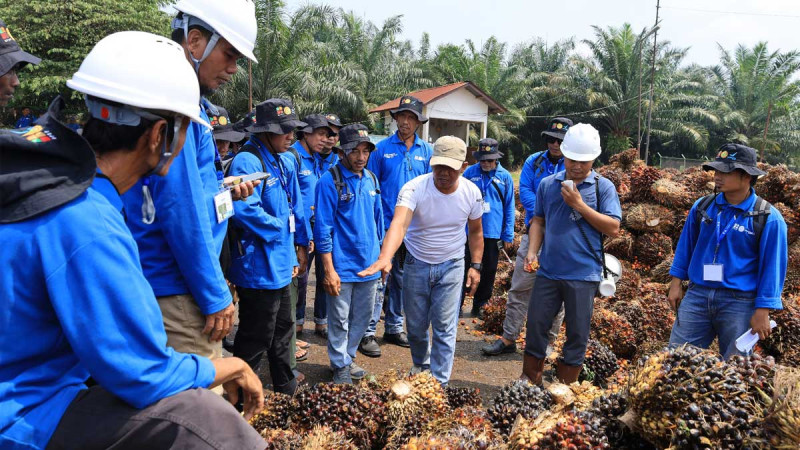
One of WWF Indonesia's main focuses is to enhance the capacity of smallholder farmers, who manage over 40% of palm oil plantations in Asia. "Inclusivity and empowerment of smallholder farmers are key to agro-ecological transformation. They need support through access to technology, financing, and markets," Dewi emphasized.
WWF also encourages the adoption of the natural capital transformation concept, where palm oil is viewed not just as a commodity but as a valuable asset in the global market. "Mechanisms such as carbon credits and biodiversity offsets can be strategic opportunities for the palm oil industry," she noted.
During this event, Dewi highlighted the importance of synergy between governments, companies, and NGOs in formulating policies that support sustainability. "Based on data and research, we are involved in the government's agenda to enhance policies, including regulations on deforestation and carbon emissions," she explained.
WWF Indonesia hopes that ICOPE 2025 will serve as a momentum to strengthen collaboration and generate innovative solutions for the palm oil industry. "We invite all parties to take an active role in implementing sustainable practices. This is not only the responsibility of large companies but also smallholder farmers and other stakeholders," Dewi concluded.
ICOPE 2025 is expected to produce policy recommendations and concrete initiatives that promote agro-ecological transformation in the palm oil industry. With strong collaboration, Indonesia's palm oil sector can not only maintain its position as the world's largest producer but also become a global sustainability example. "Let us make palm oil a force for community welfare and environmental preservation," Dewi urged all ICOPE 2025 participants. (T2)